

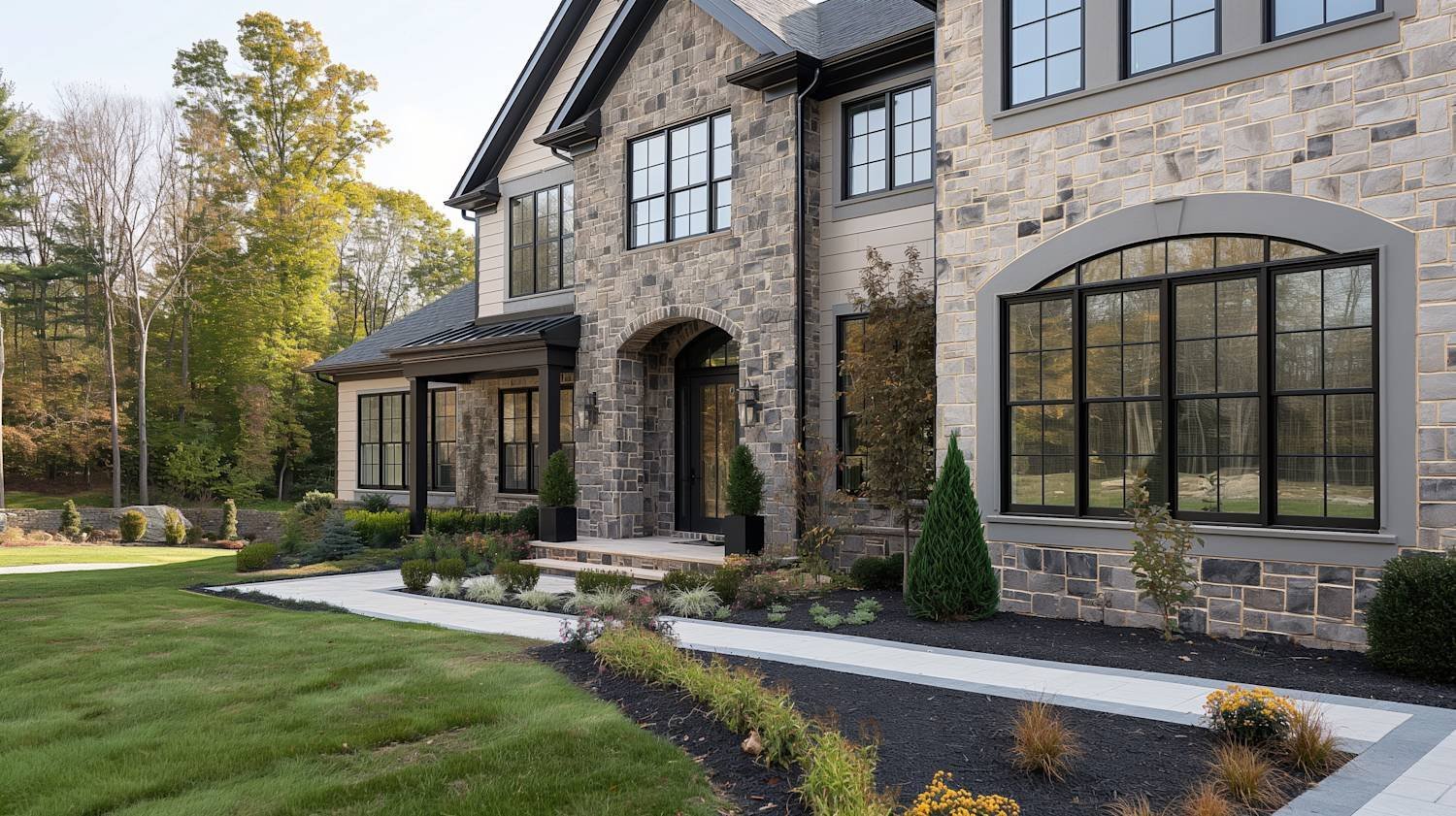
It’s one of the most common questions we get at the showroom: "Will replacing my windows actually lower my electric bill, or is that just a sales pitch?" The honest answer is yes, it really does — but the numbers aren’t magic, and the savings depend a lot on what you have now, what you upgrade to, and how your home is built. Let’s walk through the actual data.
What the EPA and Department of Energy say
According to ENERGY STAR, installing certified windows can shrink your heating and cooling bills by an average of up to 13% nationwide, compared to non-certified products. The U.S. Department of Energy puts the dollar figure at $126 to $465 per year when replacing single-pane windows.
The DOE also notes that windows are responsible for 25% to 30% of residential energy use for heating and cooling. That’s a striking number. About a quarter to a third of the energy you pay to heat or cool your home is leaking through the windows. Replace inefficient windows and that loss drops dramatically.
Why it works: three technologies
Modern energy-efficient windows do three things old windows can’t:
1. Low-E coatings
"Low-emissivity" is a microscopic layer of metal oxide on the glass. It reflects infrared (heat) energy. In summer it bounces the sun’s heat back outside; in winter it reflects your furnace’s heat back inside. Same glass, working both directions, all year.
2. Argon (or krypton) gas fills
The space between the panes of a modern window isn’t air — it’s argon, which conducts heat about 33% less than air. Krypton is even better but more expensive. This is the single biggest source of thermal performance in a dual-pane window.
3. Warm-edge spacers and improved frames
The old aluminum spacer between glass panes was basically a thermal bridge. Modern foam or composite spacers — plus vinyl, fiberglass, or composite frames — keep the cold from migrating around the edges of the window. The frame matters as much as the glass.
What this looks like in Knoxville
East Tennessee has a cooling-dominated climate with real winter. We get summer days in the high 90s with heavy humidity, and winter weeks in the 20s. That means your HVAC is running hard in both directions, and windows are working hard both directions too.
For a typical 2,000 sq ft Knoxville home with single-pane or early dual-pane windows and electric heat pump HVAC, upgrading to ENERGY STAR-certified windows usually shows up as:
- A noticeable summer cooling reduction — we hear "the AC isn’t running constantly anymore" most often
- A smaller but real winter heating reduction
- An end to the drafty cold-window feeling in winter (the interior glass stays warmer)
- Less condensation buildup on the inside of glass in cold weather
How much? Most homeowners we follow up with report somewhere between 8% and 18% reduction in their heating and cooling load — in line with the national 7%-15% range that the DOE cites.
What to look for on the sticker
Every new window comes with an NFRC label. The two numbers that matter most:
- U-Factor: how easily heat escapes. Lower is better. Look for 0.30 or less in our climate.
- SHGC (Solar Heat Gain Coefficient): how much sun heat comes through. For Knoxville, look for 0.25 to 0.40 — you want some passive heat in winter but not so much that summer becomes a greenhouse.
For Knoxville specifically, the ENERGY STAR "South-Central" climate zone is what applies. We size and spec replacement windows specifically for that zone.
What doesn’t work as advertised
A few things that get oversold:
- "Triple-pane is always better" — Triple-pane shines in northern climates. In Knoxville the energy gains over a good dual-pane are minimal and rarely justify the extra cost.
- "You’ll save $1,000 a year" — Be skeptical. The DOE’s upper figure of $465/year assumes you’re replacing single-pane glass with ENERGY STAR. If your existing windows are decent dual-pane from 2005, your savings will be smaller — maybe $80–$200/year.
- "Pays for itself in 3-5 years" — Energy payback alone takes 10-20 years for most homes. The real return is a combination of energy + comfort + home value at resale. Don’t buy windows expecting them to pay for themselves on utility savings alone.
The honest math
A typical Knoxville home spends roughly $1,800-$2,400/year on heating and cooling. If new windows cut that by 13%, you’re saving $230-$310/year on energy. Over 20 years, that’s $4,600-$6,200 of energy savings.
Combine that with:
- The federal tax credit (up to $600/year for ENERGY STAR windows, available through 2032)
- The home value bump at resale (the most recent JLC report puts vinyl window ROI at ~71%)
- The intangible — comfort, noise reduction, and not having drafty windows in January
...and the case becomes a lot stronger than energy savings alone.
Want a real number for your home?
The most accurate way to predict savings is to look at your specific home: how many windows, what’s installed now, which directions they face, and what your last 12 months of utility bills look like. We do this as part of a free in-home estimate — we’ll measure the openings, check the existing units, and give you a real apples-to-apples comparison.
Want to talk through your project?
Free in-home estimates across Knox County. We measure, we listen, we give you a real number in writing.